
Introduction
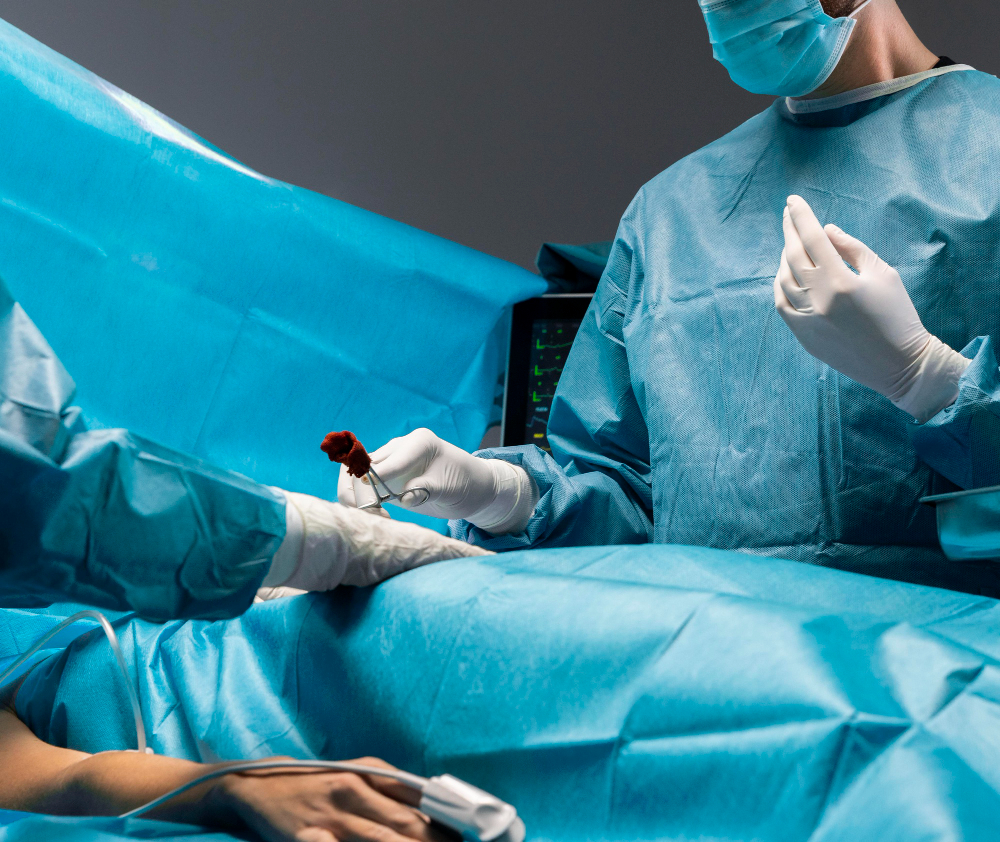
Many people ask, “Why would a laparoscopic hysterectomy be performed?” This surgery removes the uterus using small cuts and a camera. Doctors call this a minimally invasive hysterectomy. It is a common gynecological surgery. Often, it helps treat health problems that do not improve with other treatments. In this blog, we will explain the main reasons for this surgery, what to expect, and how it can help.
Common Reasons for Laparoscopic Hysterectomy
Doctors may suggest a laparoscopic hysterectomy for several reasons. Usually, it is done when other treatments have not worked. Here are some common reasons:
Sometimes, doctors also recommend this surgery for other gynecological conditions.
Symptoms and Conditions Leading to Surgery
Many women experience symptoms that affect their daily life. For example, heavy bleeding can cause tiredness. Pain in the lower belly may make it hard to work or enjoy activities. Other symptoms include:
When these symptoms do not get better with medicine or other treatments, surgery may be needed.
Diagnosis and Evaluation Process
Before surgery, doctors do a careful check-up. First, they ask about your symptoms and medical history. Next, they may do a pelvic exam. Often, doctors use tests like:
After these steps, your doctor will talk about the best treatment options. Sometimes, they may suggest a laparoscopic hysterectomy if it is the safest and most effective choice.
Benefits of Laparoscopic Approach
Many women choose laparoscopic surgery because it offers several benefits. For instance, the cuts are much smaller than in open surgery. This means:
According to the CDC, minimally invasive hysterectomy often leads to better recovery and fewer problems after surgery.
Risks and Considerations
Even though laparoscopic surgery is safe, all surgeries have some risks. For example, you may have:
However, these problems are rare. Your doctor will explain the risks and help you decide if this surgery is right for you.
Recovery and Lifestyle Guidance
After a laparoscopic hysterectomy, most women recover quickly. Usually, you can go home the same day or after one night. At home, you should:
Most women feel better in two to four weeks. Still, it is important to call your doctor if you have fever, heavy bleeding, or severe pain.
Prevention and Alternatives
Sometimes, you can avoid surgery with early treatment. For example, medicines or hormone therapy may help with heavy periods or pain. Other options include:
However, if these do not work, a minimally invasive hysterectomy may be the best choice. Always talk to your doctor about all options before deciding.
Unsure about a laparoscopic hysterectomy? Speak with Dr. Suryaprabavathy Selvam for expert advice.